
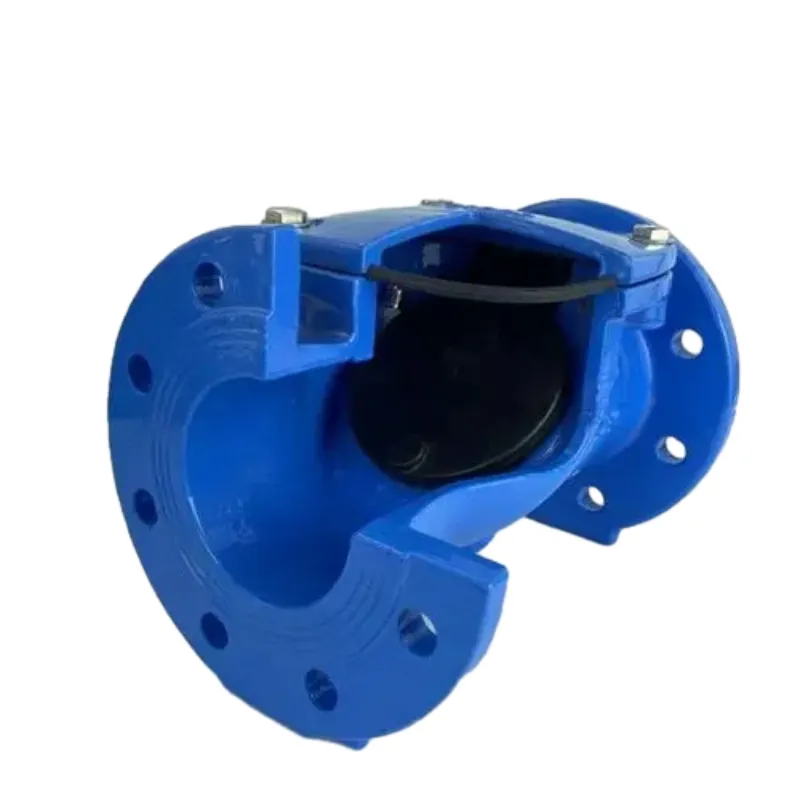
6mm mirror cost
Marking a Ruler with a Spirit Level A Guide to Precision Measurement In today’s world, precision is vital across various fields, whether in construction, woodworking, or crafting. One of the simplest yet most effective tools to ensure accuracy is a ruler. However, to maximize the utility of a ruler, integrating it with another fundamental tool—the spirit level—can enhance the process of measurement and layout. This article aims to explore the method of marking a ruler using a spirit level, detailing its advantages and the steps involved to achieve precise outcomes. Understanding the Tools Before diving into the process, it's crucial to understand the two primary tools the ruler and the spirit level. A ruler, typically a flat piece of wood, plastic, or metal, is marked with measurement units. It is essential for determining lengths and ensuring straight edges. On the other hand, a spirit level is used to determine the horizontal and vertical alignment of surfaces. It consists of a sealed tube with a liquid and an air bubble. When the bubble is centered between the marked lines, it indicates that the surface is level. Combining these two tools allows for precise marking and alignment, making it possible to execute tasks that require meticulous attention to detail. Why Use a Spirit Level with a Ruler? 1. Enhanced Accuracy When working on projects requiring exact measurements, using a spirit level ensures that the ruler is positioned correctly. For instance, when marking a long line, a spirit level can confirm that the ruler is straight, reducing measurement errors. 2. Time Efficiency Mistakes often lead to rework. By ensuring a level surface from the start, one can save time that would otherwise be spent correcting misalignments. 3. Versatility This method is applicable in various scenarios, whether one is hanging a picture frame, constructing a shelf, or laying out larger building projects . The principles of marking with a spirit level remain the same, providing consistency across different tasks. marking ruler with spirit level Step-by-Step Guide to Marking a Ruler with a Spirit Level Step 1 Gather Your Materials You will need a ruler, a spirit level, a pencil, and possibly some clamps for stabilization, especially if working on larger pieces. Ensure that your workspace is clear and organized to avoid distractions. Step 2 Position the Ruler Place the ruler on the surface you wish to mark. Ensure that it is where you want to draw your line. Step 3 Use the Spirit Level Set the spirit level on the ruler. Make sure to place it at multiple points along the ruler to confirm that it remains horizontal. Adjust the ruler as needed to get the bubble centered between the lines. Step 4 Mark the Line Once you have confirmed that the ruler is level, use your pencil to draw a straight line along the edge of the ruler. Take your time and ensure that your hand is steady to prevent any mistakes. Step 5 Confirm Alignment After marking, it is wise to double-check the alignment using the spirit level once more. This ensures that your mark is level and straight, ready for the next steps in your project. Step 6 Clean Up Once you have completed your marking, clean the area and store your tools properly. Make sure to wipe any excess pencil marks that could interfere with the accuracy of subsequent measurements or markings. Conclusion Marking a ruler with a spirit level is a straightforward process that can greatly improve the accuracy and efficiency of various projects. By taking the time to ensure both tools are used in conjunction, you not only enhance the quality of your work but also cultivate a habit of precision that will serve you well in any task. Whether you are a seasoned professional or a passionate hobbyist, integrating these tools into your workflow can make all the difference in achieving those perfect measurements.
about
6mm mirror cost
Understanding Plain Ring Gauges Precision in Measurement Plain ring gauges are indispensable tools in the field of manufacturing and engineering, serving a critical role in ensuring the accuracy and quality of various components. These gauges are designed to measure the diameter of a circular object, providing a simple yet effective method to verify dimensional specifications during the production process. A plain ring gauge typically consists of a solid, cylindrical ring made from high-quality materials, such as hardened steel. The internal surface of the ring is precisely machined to create a specific diameter that corresponds to the desired measurement. These gauges come in two main types GO and NO-GO gauges. The GO gauge is meant to check whether a workpiece conforms to the upper limits of the required dimension, while the NO-GO gauge is used to ensure that the workpiece does not exceed the lower limit. By utilizing both gauges, operators can effectively determine if a part meets the specified tolerances, which is crucial for maintaining quality standards. The application of plain ring gauges spans various industries, including automotive, aerospace, and manufacturing. In these sectors, precision is paramount. Even the slightest deviation from the specified diameter can lead to significant issues, affecting the performance and safety of the final product. Therefore, the reliability of plain ring gauges in measuring dimensions accurately makes them vital for quality control processes. plain ring gauges One of the distinct advantages of using plain ring gauges is their ease of use. Unlike electronic measuring devices that require calibration and power, plain ring gauges can be employed with minimal training. Operators can quickly determine whether components are within specifications by simply attempting to fit the gauge onto the workpiece . This simplicity not only speeds up the inspection process but also reduces the potential for human error associated with complex measuring techniques. Moreover, plain ring gauges are highly durable. With proper care and maintenance, they can remain accurate over long periods, making them a cost-effective solution for businesses. Regular calibration against standards is recommended to ensure continued precision, but the inherent robustness of these gauges typically affords long-lasting reliability. In conclusion, plain ring gauges are fundamental in achieving precision in manufacturing processes. Their straightforward design, ease of use, and durability make them essential tools for ensuring that components adhere to the required dimensions. As industries continue to prioritize quality assurance, the role of plain ring gauges in maintaining these standards cannot be overstated. In a world where precision is key, these gauges stand out as reliable allies in the quest for excellence in engineering and manufacturing.
-

High quality industrial productsagement

High quality industrial products
View Details -

Meet the diverse needs of customers

Meet the diverse needs of customers
View Details -

Strict quality control

Strict quality control
View Details -

Top raw materials

Top raw materials
View Details -

Trusted supplier

Trusted supplier
View Details
Our application
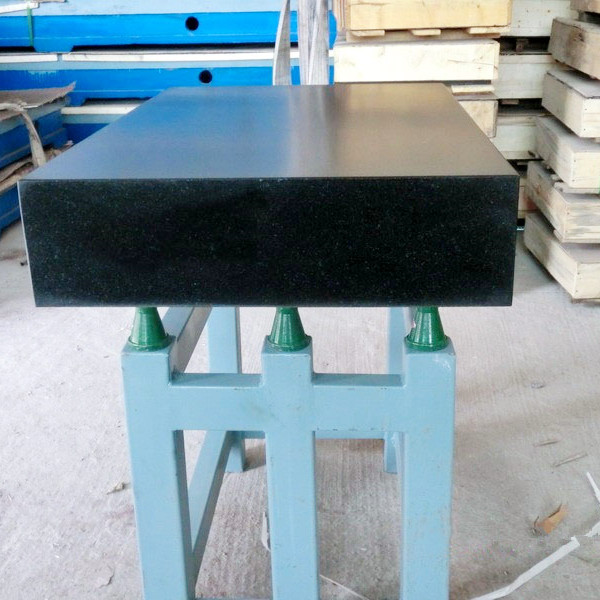
news and information
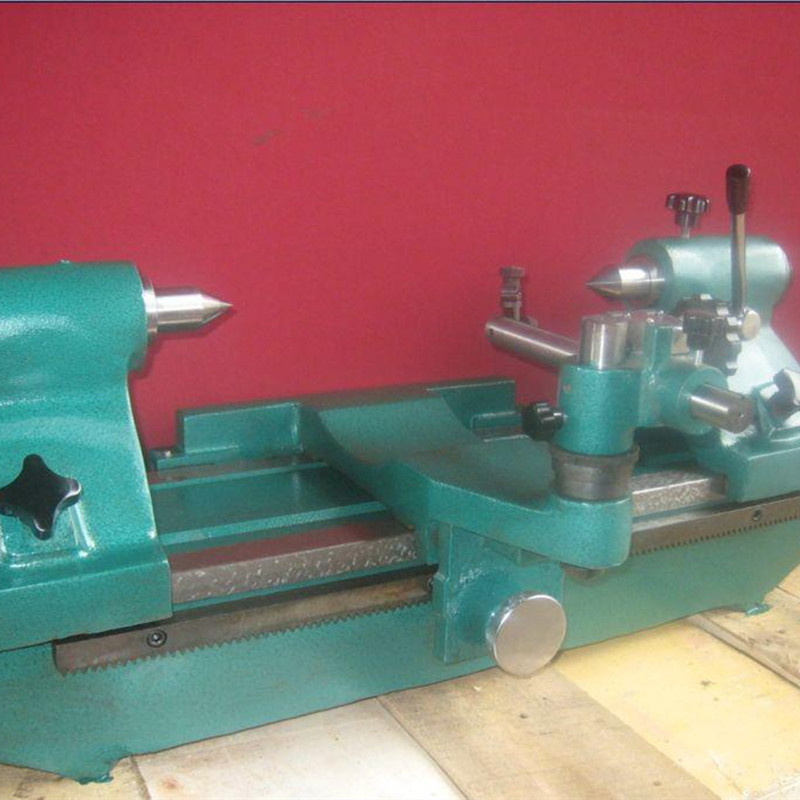
Versatile Six-Sided Aluminum Alloy Angle Measuring Tool for Precision Measurement and Layout Tasks
Understanding the Six-Sided Aluminum Alloy Angle Measuring Tool In the realm of precision engineerin

Versatile 3D Welding Table for Enhanced Fabrication and Precision Work
The Importance and Advantages of 3D Welding Tables in Modern Fabrication In the world of metal fabri
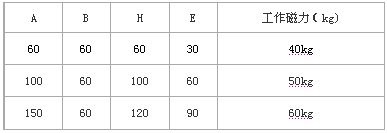
welded globe valve
Understanding Welded Globe Valves A Comprehensive Overview Welded globe valves are vital components
 English